Now serving all of Ontario 905-765-2661


Auto Insurance
Private Passenger Vehicles
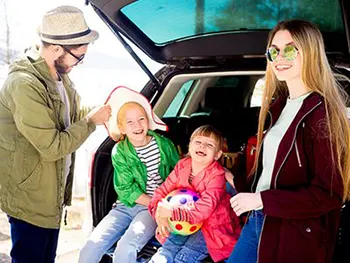 Private Passenger Vehicles are vehicles operated by an individual or family for personal use, excluding recreational vehicles.
The mandatory coverages in Ontario include Third Party Liability Coverage, Accident Benefits, Direct Compensation Property Damage and Uninsured Automobile Coverage.
There are optional coverages you may want to add to your policy. Among the most common are Collision, Comprehensive, Optional Accident Benefits, Waiver of Depreciation, Liability for Damage to Non-owned Automobiles, Loss of Use Endorsement and Accident Protection.
Our available discounts include home and auto discount, multi-vehicle insurance, conviction -free discount, renewal discount, no commute discount, driver training discount, higher deductible, winter tire discount, good student discount, plus many more. Contact our office to see what additional discount you may be eligible for.
We offer customized rating depending on your commute. We insure vehicles up to $200,000. Varying deductibles available for $500-$10,000, and up to $5,000,000 liability limit.
Commercial Vehicles
 Commercial vehicles are generally defined as a motor vehicle that is used for business purposes or the transportation of goods or passengers in exchange for compensation.
If you use your personal vehicle for business purposes, there is a chance that in the event of an accident, the claim will be denied and there would be no coverage under your personal auto policy. Let Haldimand Insurance Brokers take care of your commercial vehicle insurance to ensure you have the right coverage. This includes any vehicles used for business purposes including cars, vans, trucks, and trailers.
Common business uses we insure include construction and contracting, transporting goods, equipment and supplies, sales visits and calls, driving people around (e.g., Uber), or consultants who frequently visit clients.
The mandatory coverages in Ontario are third party liability coverage, accident benefits, direct compensation property damage, and uninsured automobile coverage.
There are optional coverages you may want to add to your commercial auto policy. Among the most common are Collision, Comprehensive, Optional Accident Benefits, Employers’ Hired and Non-owned Auto Liability.
If your business has five or more commercially rated vehicles, you may qualify for fleet insurance rates.
The Garage policy provides insurance during the time that a customer’s vehicle is in your care, custody and control.
If you operate a commercial vehicle in Ontario, you may need a valid Commercial Vehicle Operators’ registration (CVOR).
Farm Vehicles
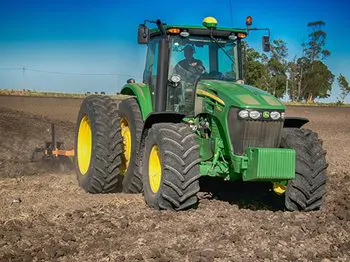 Farm vehicles are used for the transportation of farm products, commodities, supplies, equipment, and building and maintenance items owned by the farmer.
Ontario’s Highway Traffic Act regulates everything from vehicle licensing and classifications to load restrictions and transportation issues. There are many regulations within the Highway Traffic Act that can affect the business of farming as they relate to travelling roadways with tractors, equipment and trucks. It’s the farm owner and equipment operator’s responsibility to know the rules of the road that apply to farm equipment, self-propelled vehicles, load restrictions, licensing and towing requirements.
You can register a vehicle with a farm plate in Ontario if you:
• register a commercial vehicle that weighs over 3,000 kg
• are a farmer
• earn $7000 or more gross income annually from a farming business
• have registered with the Farm Registration and Farm Organizations Funding Act (unless you have been granted an exemption)
Every farm is unique and requires individual insurance coverage. Haldimand Insurance Brokers will get you the right protection at a competitive price.
Motorcycles
 The Ontario Highway Traffic Act (HTA) defines a motorcycle as a self-propelled vehicle with a seat or saddle for the driver, designed to travel with not more than three wheels in contact with the ground.
In Ontario, you are legally required to have insurance for any motorcycle you ride on roadways.
Mandatory Coverages in Ontario include Third Party Liability Coverage, Accident Benefits, Direct Compensation Property Damage, and Uninsured Automobile coverage.
There are optional coverages you may want to add to your motorcycle policy. Among the most common are Collision, Comprehensive and Optional Accident Benefits.
Whether you own a cruiser, touring, grand touring or trail bike, there are many things to consider when choosing the right motorcycle insurance. Contact Haldimand Insurance Brokers and let an experienced professional help
Classic Cars
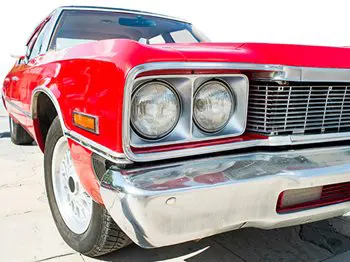 We like to say a new classic car is born. Owning or collecting classic vehicles can be a very rewarding experience.
Haldimand Insurance has multiple classic car markets to provide you with the best options. Whether you use your classic vehicle for shows, light leisure or to simply drive to the local ice cream parlor, Haldimand Insurance Brokers has the expertise to protect your investment and passion.
Typical qualifications for Classic Car Insurance are:
- Over 20 years of age
- Vehicle is expected to appreciate
- Limited Mileage per year
- Appraisals
*Some exceptions apply.
*Can be insured Standalone.
Rates can range from as low as $22 per month.
Trailer & Mobile Homes
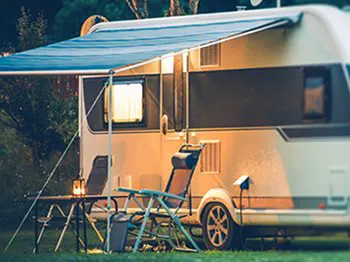 Looking to travel this summer and want to protect your investment?
Haldimand Insurance has multiple options to insure your Motorhome or Trailer.
Looking to travel this summer and want to protect your investment?
Haldimand Insurance has multiple options to insure your Motorhome or Trailer.
Motorhomes require their own auto insurance policy, since they can be driven independently. The rate you pay will depend on the class, how much you use the motorhome and the value. Let one of our motorhome experts here at Haldimand Insurance help you find the proper motorhome insurance to protect you, your vehicle and the contents within.
Motorhomes are split into 3 typical categories:
- Class A Motorhomes – Can be typically the largest of the RV’s and the most expensive
- Class B Motorhomes – Often called Camper Vans, they are smaller than Class A and can be driven around like a vehicle
- Class C Motorhomes – Are moderate size in nature and have many of the amenities of the Class A
A travel trailer is not a motor vehicle and does not require its own auto insurance policy.
The liability insurance coverage from the towing vehicle is extended to the trailer while it is being towed.
Collision and comprehensive coverage that you would typically see on an auto policy are not extended to the trailer. This is why we recommend a specialized travel trailer package that serves as its own policy. Coverages often included in a trailer package are damages to the trailer itself, contents of your travel trailer, liability coverage and emergency vacation expenses.
The most common types of trailers that would fall into this category could be Travel Trailers, Tent Trailers, Truck Campers, toy hauler or fifth wheel.
Premiums in this category can vary greatly, as often the purchase price of Trailers and Motorhomes can vary from $1,000 to over $200,000.
Recreational vehicles are all unique. When it comes to insuring your motorhome or travel trailer, why not have a broker on your side, so you can enjoy all the benefits of travelling.