Now serving all of Ontario 905-765-2661


Business Insurance
Contractors General Liability
 We protect general contractors against lawsuits or claims arising from property damage and bodily injury that may occur on site. This includes:
- General Contractor
- Concrete
- Framing
- Electrical
- Plumbing
- HVAC
- Painting
- Roofing
- Drywall
- Landscaping
Limits are from 1 million to 5 million. There is optional coverage for tools and equipment available. Most companies will rate based on the contractor’s revenue and work they are completing including any past claims. Rates vary based on the size of the operation and can range from $700 to over $20,000 or more depending on the size and operation of the client.
Office Package
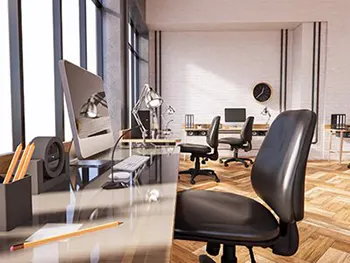 This insurance is to protect your business and location.
Office package insurance is set up as a package and often includes your commercial general liability. It covers bodily injury to a third party and property damage to others cause by an occurrence.
Your office contents are also protected. This is often your equipment, tools, and any tenant improvements you may have completed during your time at the location.
Business interruption covers business income when a business is forced to shut down or move due to an insured peril or utilities or lease payments while your building is restored.
Office packages will generally have a base rate based on the operation of the business and the exposure of the building and nearby operations.
Rates can we as low as $700 and up.
Protect your business and contents with an office package policy.
Manufacturers
 Manufacturers insurance, also known as commercial manufacturing insurance or product liability insurance, is a type of insurance coverage designed to protect manufacturers from financial losses associated with product-related risks. It provides coverage for a wide range of risks that manufacturers face throughout the production and distribution process.
It's important to note that specific coverage and policy terms can vary among insurance providers. Manufacturers should work closely with a broker who specializes in commercial manufacturing insurance to customize a policy that suits their specific needs and risk profile.
Manufacturers insurance policies can vary widely in terms of coverage, limits, and exclusions. Contact Haldimand Insurance Brokers and let an experienced professional work with you to assess your manufacturing risk needs and find the right insurance policy that provides adequate coverage.
Garages
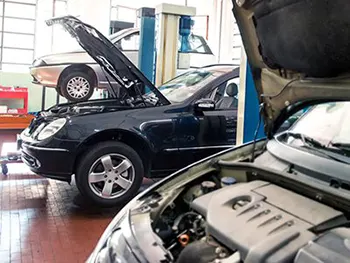 We provide coverage specifically to the automotive industry to provide liability protection for their location while customers are on site. This includes coverage for the customers vehicles while being repaired and coverage against employee dishonesty.
Garage policies could be used for:
- Autobody Repair Shops
- Vehicle Storage
- Mechanical Shops
- Auto Glass repair Shop
Garage rating is very diverse from insuring the building to annual revenue to how many cars are stored on site. What type of other operations are being run under the garage policy. (ie) spray booth, body work, vehicle storage, mechanical work, detailing.
Professional Services
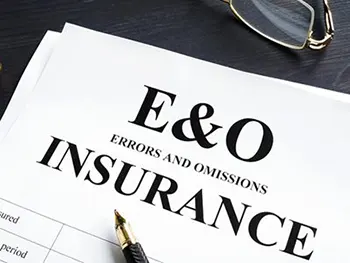 This typically covers lawsuits alleging neglect, misconduct, or failure to deliver a service as promised. It can also be known as E&O Insurance.
Industries that insure but not limited to are:
- Physiotherapy
- Accountants
- Consultants
- Graphic designers
- Insurance Professionals
- Interior Designers
- IT and tech professionals
- Real-estate Brokers
Rates will be determined on any experience in the field and any education in the specified field. Rates vary greatly but can be as low as $700.
Beauty/Esthetician Salon
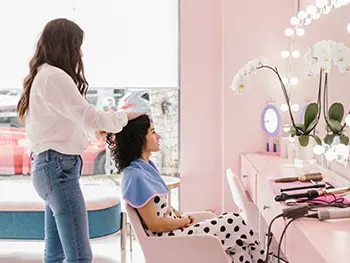 We protect salon business owners - often with a Commercial General Liability Policy along with Professional Liability Insurance. This includes business contents coverage.
Claims that could occur are:
- Chair breaks
- Client contracts a contaminant from the service
- Broken water main
- Theft of equipment
- Fire
- Trip and Fall
- Burns
Salon insurance will vary from insuring a full-fledged operation including building, contents, equipment, stock, and liability along with professional liability. Or perhaps you rent a chair and just need liability for the chair. Options exist for each business owner.
Retail Stores
 Retail store insurance, also known as commercial insurance or business insurance, is a type of insurance coverage designed to protect retail businesses from various risks and liabilities they may face in their day-to-day operations. Retail store insurance typically includes several types of coverage that can be customized to meet the specific needs of a retail business.
It typically includes property insurance, general liability insurance, business interruption insurance, commercial auto insurance, cyber liability insurance, and product liability insurance. It's important for retail store owners to assess their risks and work with an insurance professional to determine the right coverage for their business.
Types of retail stores we insure:
- Florists
- Gift Shops
- Salons
- Hardware
- Grocery
- Shoe Shops
- Appliance Stores
- Paint Stores
- Clothing Shops
- Convenience Stores
Optional coverages:
- Equipment Breakdown
- Business Interruption
- Peak Season Endorsement
- Sewer Back Up
- Flood
Rating will take into account the annual revenue, the product they are selling, location and nearby exposures. Simple retail exposures could be as low as $1,000.
It's important for retail store owners to assess their unique risks and consult with a qualified insurance professional to determine the appropriate types and levels of coverage needed for their business. Insurance requirements may vary depending on the location, size, and nature of the retail store.
Home Based Business
 Home-based business insurance, also known as home business insurance or home office insurance, is a type of insurance coverage designed to protect individuals who operate a business from their home. While homeowner's insurance policies typically provide some coverage for personal property, they may not adequately cover business-related activities or liabilities associated with running a business from home. Home-based business insurance provides additional coverage to protect against potential risks and losses that may arise from operating a business out of a residential property.
Examples of home-based businesses can include:
- Event Planner
- Graphic Design
- Interior decorator
- Mortgage broker
- Barber
- Pet Grooming
- Travel Agent
Home-based business insurance policies can vary in coverage and may include different types of insurance, depending on the nature of the business and its operations. It typically includes general liability insurance, business property insurance, business interruption insurance, professional liability insurance, and commercial auto insurance, depending on the nature of the business.
This is a typical addition onto the current home policy and rates can be as low as $250 a year. Providing affordable protection when the business is starting out for those that qualify.
Realty
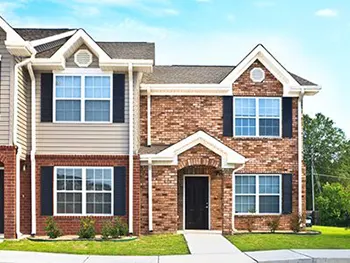 Realty insurance, also known as real estate insurance or property insurance, is a type of insurance coverage that protects real estate properties against potential risks and losses.
We provide Real estate business protection. Realty is often split between Residential Realty and Commercial Realty. Residential Realty is often a single structure that is used to house 1-6 living Units in one building. Coverage for Residential Realty could include Broad Form or ACV on the building with coverage for the insureds contents as well as rental income protection in the event of a loss.
Commercial Realty is often a building that houses a commercial business as a tenant rather that an individual person.
A realty policy will protect your Building, contents, and rental income along with optional endorsements such as sewer back up, floods, cyber, boiler and machinery.
Realty rates are based on the construction, occupancy, protection, and exposure of the building. Rates will vary depending on the size of the building.
General conditions of insuring their properties may revolve around occupancy level, type of other businesses in the building, history of claims and construction materials.
Non-Profit
 Non-profit organizations may require insurance coverage to protect themselves from potential risks and liabilities. Non-profit insurance can include a range of policies that provide coverage for various risks, such as property damage, liability claims, and employee injuries.
This is an insurance policy that is packaged together to protect the needs of charities and other non-profit organizations.
Rates often move with the history of claims in this class of business and inflationary trends on defense costs and the size of the non-profit.
Non-profit organizations should assess their specific risks and insurance needs to determine the appropriate insurance coverage for their organization. It is also important to work with a reputable insurance provider who has experience in providing insurance for non-profit organizations.
Builder's Risk
 Builders risk insurance is a type of property insurance that provides coverage for property owners, contractors, and other parties involved in a construction project. This insurance policy typically covers the physical structure of a building or other type of construction project during the course of construction or renovation.
Builders risk insurance policies typically cover the costs associated with damage to the building or structure being constructed or renovated. This may include damage caused by events such as fire, lightning, vandalism, theft, windstorms, and more. The policy may also cover the costs of cleanup and debris removal, as well as the costs of replacing or repairing damaged materials and equipment.
Builders risk insurance may also cover the costs of delays or interruptions to the construction project, which can occur due to covered events such as weather delays, material shortages, or other factors beyond the control of the construction team.
It's important to note that builders risk insurance policies typically have a limited coverage period, usually from the start of construction to the completion of the project. Once the construction is complete, the policy expires, and the property owner or contractor will need to obtain a new insurance policy to cover the completed structure.
Builders risk insurance policies can vary widely in terms of coverage, limits, and exclusions. Contact Haldimand Insurance Brokers and let an experienced professional work with you to assess your specific builders risk needs and find the right insurance policy that provides adequate coverage.
Cyber
 Cyber insurance, also known as cyber liability insurance or cybersecurity insurance, is a type of insurance coverage designed to protect individuals and businesses from financial losses and liabilities associated with cyber-related incidents and data breaches. It provides coverage for the costs and damages that can result from cyberattacks, data breaches, and other cyber threats.
Cyber insurance policies can vary widely in terms of coverage, limits, and exclusions.
Airbnb
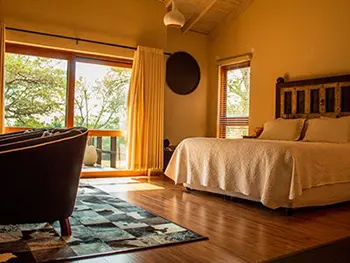 Insurance for Airbnb owners typically involves a specialized form of property and liability insurance designed to protect hosts and their properties from certain risks that may arise during short-term rentals.
Airbnb or Short-term rental insurance is generally a property or parts of a property that are rented out for less than 28 consecutive days. This does not include hotels or motels.
There must be an exchange of payment. These are commonly known as a vacation rental.
Building coverage and liability is a common coverage that is included in your short-term rental policy. Often sewer back up or contents insurance can be added.
Airbnb rates will be based on the cost to insure the building and may reflect any exposures to the home.
Broad for coverage maybe available for those buildings updated in the past 20-30 years, for others actual cash value is an option.
This is a specialized area with a few markets competing for client business.