Now serving all of Ontario 905-765-2661


Farm Insurance
Getting Farm Insurance
 As mentioned, dedicated farm insurance is separate from normal property and homeowner insurance. Even if you do own, work, and live on a farm, you will likely already have this insurance. Farm insurance can be bundled with your home and property insurance, but its specific coverage will have to be separate. This is because farm insurance policies are highly specific and customized to the specific activities and facilities of the farm in question.
While a standard farm policy will cover property, liability, and associated costs - just like standard property and home insurance - they will also include endorsements, which can be tailored to the risks that your farm faces.
Agri-Business
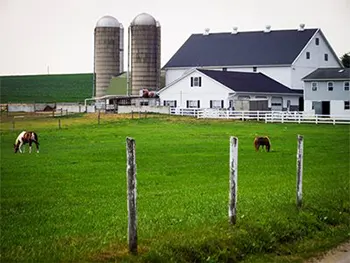 Farm insurance is risk management tool that farmers can use to protect their farming operation from financial, product, possessions, and liability loss.
Agri-business can range from a fruit and vegetable stand to a full-fledged farming and commercial operation.
Rates are built on protection, exposure of operations, and liability exposures and equipment along with many more factors.
Farm Buildings
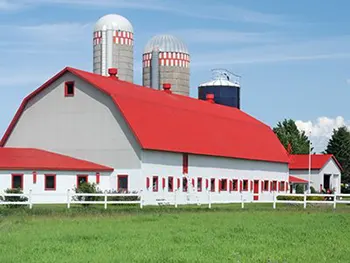 This includes any building used on the Farm property which may include buildings to house people, workers, livestock, machinery, or crops.
Often rates based on construction material, year built and type of use and exposure.
Rates will vary based on these factors.
Antique Farm EquipmentTrailer Insurance
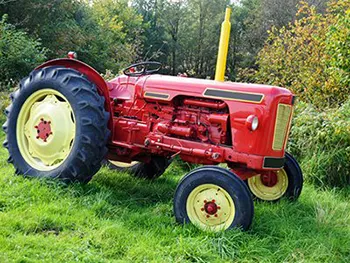 Tractors that are more than 25 years of age, must be in good condition unless under active restoration.
Tractors must be fully retired with no farming or utility use. Often insured based on value due to its low use and condition.
Rates can be lower than $200/year.
Livestock Mortality
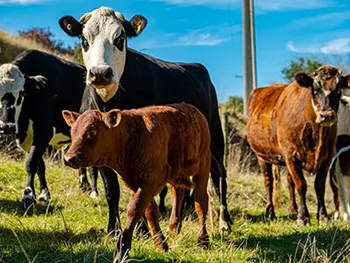 Livestock mortality insurance is a type of insurance that provides coverage for the death or injury of livestock, typically including animals such as cattle, pigs, sheep, poultry, and other farm animals. This type of insurance is designed to protect farmers and livestock owners from financial losses due to unexpected events that may result in the death or injury of their animals.
Livestock mortality insurance policies generally provide coverage for various causes of loss, such as accidents, diseases, illnesses, theft, drowning, electrocution, and other covered risks. The coverage amount may be based on the value of the animals at the time of the loss or a predetermined sum insured.
Livestock mortality insurance can be an important risk management tool for farmers and livestock owners, as it helps to protect their investment in valuable livestock and provides financial compensation in the event of covered losses. It may also provide coverage for veterinary expenses, disposal costs, and other related costs incurred as a result of the covered loss.
It's important to note that livestock mortality insurance may have certain limitations, exclusions, and conditions that vary depending on the insurance provider and policy terms. Coverage options, premiums, and deductible amounts may also vary based on factors such as the type of livestock, age, breed, health condition, and other risk factors. Farmers and livestock owners should carefully review their livestock mortality insurance policy and work closely with their insurance broker to ensure that their coverage adequately meets their needs and provides the desired level of protection for their livestock.
Rural Homes
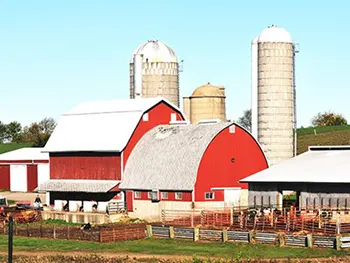 Rural home coverage is for a home built on a larger than typical property (20 acres) that may have a slight farm exposure due to the type of buildings on their property or animals.
Like regular homeowners these homes will have a building rate and liability rate along with contents.
Outbuilding must be insured separately and to value along with any machinery listed on the policy.
Other surcharges could include ponds on the property, leased land or operating a petting farm.